
Joint Replacement Surgery in Vijayawada
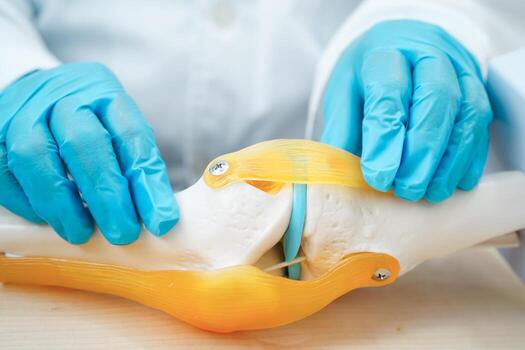
Joint pain can make simple daily activities such as walking, climbing stairs, standing and getting up from a chair difficult. When joint damage becomes severe, it may affect mobility, sleep and quality of life. Joint replacement surgery is one treatment option for certain patients when other treatments do not provide enough relief.
If you are looking for joint replacement surgery in Vijayawada, understanding the procedure, available treatment options and recovery process can help you have an informed discussion with an orthopedic specialist. Help Hospital can be contacted to enquire about available orthopedic consultations and joint replacement services.
What Is Joint Replacement Surgery?
Joint replacement surgery is a procedure in which damaged parts of a joint are replaced with artificial components called implants. It is commonly considered when severe joint damage causes persistent pain and difficulty moving.
Conditions such as osteoarthritis and certain other forms of joint damage may lead to a need for joint replacement. However, surgery is not necessary for every person with joint pain. An orthopedic specialist evaluates the symptoms, joint condition, medical history and response to previous treatment before recommending a procedure.
Types of Joint Replacement Surgery
The type of surgery depends on which joint is affected and how much damage has occurred.
Knee Replacement in Vijayawada
The knee helps support body weight and allows everyday movements such as walking, sitting and climbing stairs. Arthritis and other joint conditions can damage the knee and cause pain, stiffness and reduced mobility.
Knee replacement in Vijayawada may be considered when knee damage causes significant symptoms that do not improve sufficiently with appropriate non-surgical treatments. The orthopedic specialist assesses the knee and discusses the potential benefits, risks and alternatives before recommending surgery.
Hip Replacement
The hip is a ball-and-socket joint that supports movement and body weight. Hip joint damage can cause pain around the hip or groin, stiffness and difficulty walking or performing daily activities.
Hip replacement may be considered when severe hip joint damage significantly affects mobility and other appropriate treatments have not provided sufficient relief. The decision depends on the patient’s condition and medical assessment.
What Conditions May Lead to Joint Replacement?
Joint replacement may be considered for selected patients with:
- Osteoarthritis: Wear and damage to the joint that may cause pain and stiffness.
- Rheumatoid Arthritis: An inflammatory condition that can damage joints.
- Severe Joint Damage: Damage that significantly affects joint movement and function.
- Certain Joint Injuries: Injuries that lead to substantial joint damage and long-term problems.
The cause of joint pain must be assessed before deciding whether joint replacement is appropriate.
Signs You Should Not Ignore
Consider consulting an orthopedic specialist if you experience:
- Persistent knee or hip pain
- Joint stiffness that restricts movement
- Difficulty walking or climbing stairs
- Pain that interferes with sleep or daily activities
- Reduced ability to stand or move comfortably
- Symptoms that continue despite treatment
These symptoms do not automatically mean you need surgery. They indicate that an appropriate medical assessment may be helpful.
Is Joint Replacement Always Necessary?
Many joint conditions can initially be managed without surgery. Depending on the cause and severity, a healthcare professional may recommend:
- Appropriate activity modification
- Weight management where relevant
- Physiotherapy or guided exercises
- Medication prescribed according to individual needs
- Other suitable non-surgical treatments
Joint replacement may be discussed when these options do not provide adequate relief and joint damage significantly affects daily life. The decision should be made jointly by the patient and the treating specialist after discussing the available options.
How Is a Patient Evaluated Before Joint Replacement?
Before recommending surgery, an orthopedic specialist may:
- Review symptoms, medical history and previous treatments.
- Examine the affected joint and assess movement.
- Recommend imaging, such as X-rays, when appropriate.
- Assess general health and any medical conditions that may affect surgery.
- Explain treatment options, possible risks and expected recovery.
The investigations required depend on the patient’s symptoms and clinical findings.
What Are the Possible Benefits and Risks?
For appropriately selected patients, joint replacement may help reduce pain and improve mobility and the ability to perform daily activities.
As with any major operation, joint replacement also has potential risks. These may include infection, blood clots, bleeding, stiffness, implant-related problems and complications associated with anaesthesia. The likelihood of complications varies between patients.
Discuss your individual risks, expected benefits and alternatives with the treating orthopedic specialist before making a decision.
Recovery After Joint Replacement Surgery
Recovery varies according to the joint treated, the type of procedure, general health and other individual factors. After surgery, the care team may recommend a rehabilitation plan, guided exercises and gradual return to everyday activities.
Following medical instructions, attending follow-up appointments and completing recommended rehabilitation can support recovery. Your treating team will advise when it is appropriate to resume specific activities.
Choosing an Orthopedic Surgeon in Vijayawada
When searching for the best orthopedic surgeon in Vijayawada, consider the doctor’s qualifications, experience relevant to your condition, explanation of treatment options and approach to discussing surgical risks and recovery.
Patients can contact Help Hospital to enquire about Dr. A. Gowra Hari, including his current consultation availability, qualifications and experience with joint replacement procedures. Confirm these details directly with the hospital before publishing them.
Joint Replacement Services at Help Hospital
Help Hospital is located on M.G. Road, behind Bapu Museum, Governor Peta, Vijayawada. Patients experiencing persistent joint pain or reduced mobility can contact the hospital to enquire about orthopedic consultations and the availability of joint replacement procedures.
A consultation can help you understand the cause of your symptoms and discuss whether non-surgical treatment, further assessment or surgery may be appropriate. Confirm the specific procedures and appointment availability with the hospital.
Frequently Asked Questions
1. What is joint replacement surgery?
Joint replacement surgery involves replacing damaged parts of a joint with artificial components. It may be considered when severe joint damage causes persistent pain and limits movement.
2. When should I consider knee or hip replacement?
It may be considered when significant joint damage causes ongoing pain and difficulty with everyday activities despite appropriate non-surgical treatment. An orthopedic specialist can assess whether surgery is suitable.
3. How long does recovery take after joint replacement?
Recovery differs between patients and depends on the procedure, general health and rehabilitation progress. Your treating team can provide guidance based on your individual circumstances.