
prostate treatment in Vijayawada
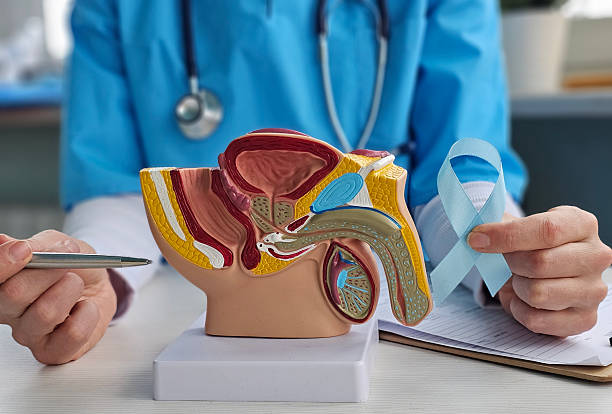
Prostate problems are common in men, particularly as they grow older. The prostate is a small gland located below the bladder and surrounding the urethra, the tube that carries urine out of the body. Changes in the prostate can affect urine flow and cause discomfort, frequent urination, or difficulty emptying the bladder.
Some prostate conditions develop gradually, while others may cause sudden urinary symptoms. Early evaluation can help identify the underlying problem and determine the appropriate treatment. If you are looking for prostate treatment in Vijayawada, understanding common prostate disorders, their symptoms, and available treatment options is a useful first step.
What Are Prostate Disorders?
The prostate gland plays a role in the male reproductive system. Certain conditions can cause it to become enlarged, inflamed, or affected by abnormal cell growth.
Common prostate disorders include:
- Benign Prostatic Hyperplasia (BPH): Non-cancerous enlargement of the prostate, commonly seen in older men.
- Prostatitis: Inflammation or infection of the prostate gland, which may cause pelvic pain and urinary symptoms.
- Prostate Cancer: A condition in which abnormal cells grow in the prostate gland and may require specialised evaluation and treatment.
These conditions can have overlapping symptoms, but their causes and treatments are different. A proper medical assessment is important for an accurate diagnosis.
Common Symptoms of Prostate Problems
Prostate conditions may affect the normal flow of urine and cause changes in bladder habits.
Common symptoms include:
- Frequent urination, especially at night.
- Difficulty starting urination.
- Weak or interrupted urine stream.
- Feeling that the bladder has not emptied completely.
- Sudden or frequent urge to urinate.
- Dribbling after urination.
- Pain or burning while passing urine.
- Discomfort in the lower abdomen or pelvic region.
Not every urinary problem is caused by the prostate. Urinary infections, bladder conditions, and other medical issues can produce similar symptoms.
Seek urgent medical attention if you are unable to pass urine, develop fever with urinary symptoms, or experience severe pain.
Enlarged Prostate Treatment in Vijayawada
An enlarged prostate, medically known as Benign Prostatic Hyperplasia (BPH), occurs when the prostate gland increases in size without being cancerous.
As the prostate enlarges, it may press against the urethra and restrict the flow of urine. This can make it difficult to empty the bladder properly.
What Causes an Enlarged Prostate?
The risk of prostate enlargement increases with age. Changes in hormone levels and other age-related factors may contribute to prostate growth.
Common Symptoms of an Enlarged Prostate
- Frequent urination during the day.
- Waking up multiple times at night to urinate.
- Difficulty starting the urine stream.
- Weak urine flow.
- Interrupted urination.
- Feeling that urine remains in the bladder after passing urine.
How Is an Enlarged Prostate Treated?
Treatment depends on the size of the prostate, severity of symptoms, bladder function, and overall health.
Possible treatment approaches include:
- Monitoring and Lifestyle Changes
Men with mild symptoms may be advised to monitor their condition and make certain lifestyle adjustments, such as reducing evening fluid intake when appropriate and limiting caffeine if it worsens urinary symptoms.
- Medication
Doctors may prescribe medicines to relax the muscles around the prostate and bladder outlet or reduce prostate size over time. The choice depends on the patient’s condition.
- Minimally Invasive Procedures
Certain procedures may help improve urine flow by reducing the effect of prostate enlargement on the urethra.
- Surgery
Surgery may be considered when symptoms are severe, complications develop, or other treatments do not provide sufficient relief.
If you are searching for enlarged prostate treatment in Vijayawada, a urologist can evaluate your symptoms and explain which treatment approach may be suitable.
How Are Prostate Disorders Diagnosed?
A urologist may recommend different tests depending on the symptoms and suspected prostate condition.
Common investigations include:
1. Medical History and Physical Examination
The doctor reviews urinary symptoms, medical history, medications, and other relevant health factors. A digital rectal examination may be recommended to assess the prostate gland.
2. Urine Test
A urine examination can help identify signs of infection, blood, or other abnormalities.
3. PSA Blood Test
A Prostate-Specific Antigen (PSA) test measures the level of PSA in the blood. PSA levels may increase due to prostate enlargement, inflammation, infection, or prostate cancer. The result alone cannot confirm cancer.
4. Ultrasound Examination
An ultrasound may help assess prostate size, bladder condition, and the amount of urine remaining after urination.
5. Uroflowmetry
This test measures the speed and pattern of urine flow and may help evaluate urinary obstruction.
Additional investigations, including MRI or prostate biopsy, may be recommended when clinically indicated.
Not every patient requires all these tests. The urologist decides which investigations are appropriate.
UTI Treatment in Vijayawada
A urinary tract infection (UTI) occurs when microorganisms, usually bacteria, enter and multiply in the urinary system. UTIs can affect the bladder, urethra, or kidneys.
Although UTIs are more common in women, men can also develop urinary infections. In men, prostate enlargement or incomplete bladder emptying may sometimes increase the risk of urinary infections.
Common Symptoms of UTI
- Burning or pain while urinating.
- Frequent urge to pass urine.
- Passing small amounts of urine frequently.
- Cloudy or blood-stained urine.
- Discomfort in the lower abdomen.
- Fever or chills in some cases.
Fever, chills, back or side pain, vomiting, or feeling seriously unwell may indicate a more significant infection and require prompt medical evaluation.
How Is UTI Treated?
Treatment depends on the location and severity of the infection and the patient’s medical history.
It may include:
- Urine tests to identify signs of infection.
- Urine culture to identify the bacteria when indicated.
- Antibiotics prescribed by a doctor when a bacterial infection is confirmed or strongly suspected.
- Further evaluation if infections repeatedly occur.
- Assessment for underlying urinary obstruction or prostate-related problems when appropriate.
Do not take leftover antibiotics or stop a prescribed course without medical advice.
If you are looking for UTI treatment in Vijayawada, consult a qualified doctor to identify the cause and receive appropriate treatment.
When Should You Consult a Prostate Specialist?
Do not ignore persistent changes in urination, even if the symptoms appear mild.
Consider consulting a prostate specialist in Vijayawada if you experience:
- Frequent urination, particularly at night.
- Difficulty starting or maintaining urine flow.
- Repeated urinary infections.
- Blood in your urine.
- A feeling of incomplete bladder emptying.
- Persistent pelvic or lower abdominal discomfort.
- Abnormal PSA test results.
A urologist can evaluate these symptoms, identify the underlying condition, and recommend appropriate treatment.
How to Choose the Best Urologist in Vijayawada
When looking for the Best Urologist in Vijayawada, consider the following factors:
- Relevant qualifications and urology training.
- Experience in diagnosing and managing prostate disorders.
- Ability to explain test results and treatment options.
- Discussion of the benefits and risks of medication or procedures.
- Appropriate follow-up and long-term care guidance.
- Access to relevant diagnostic investigations and treatment facilities.
The right treatment depends on the patient’s symptoms, diagnosis, and overall health.
Prostate Disorders Treatment at Help Hospital, Vijayawada
Help Hospital in Vijayawada is a point of contact for patients seeking information about medical evaluation and treatment options.
If you are looking for prostate treatment in Vijayawada, contact Help Hospital to enquire about urology consultations, prostate-related investigations, and available treatment services.
Patients experiencing urinary difficulties, symptoms of prostate enlargement, or repeated urinary infections should seek appropriate medical evaluation rather than delaying treatment.
Please confirm the availability of urology consultations, prostate investigations, and relevant procedures at Help Hospital before publishing this section.
Frequently Asked Questions
1. What are the early signs of an enlarged prostate?
Common early symptoms include frequent urination, especially at night, difficulty starting urination, weak urine flow, and a feeling that the bladder has not emptied completely.
2. Is frequent urination always a sign of prostate problems?
No. Frequent urination can also occur due to urinary infections, diabetes, bladder conditions, or other medical issues. A proper evaluation is needed to identify the cause.
3. Can an enlarged prostate be treated without surgery?
Yes. Depending on the severity of symptoms, treatment may include monitoring, lifestyle adjustments, or medication. Surgery is considered for selected patients.
Contact Help Hospital to enquire about prostate evaluation and suitable urology care in Vijayawada.